Featured Projects
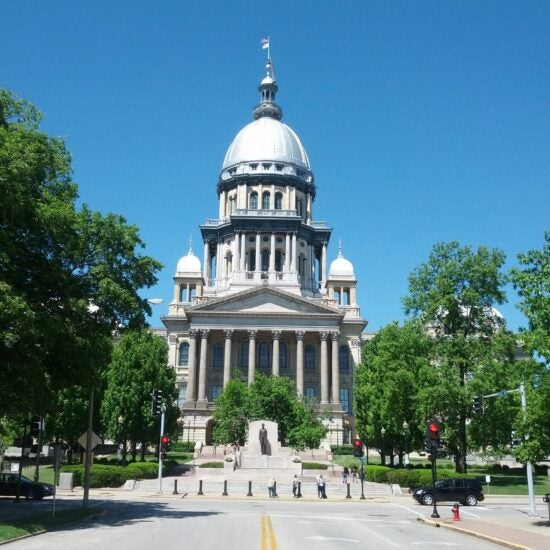
Planning for Tomorrow: Challenges States Face in Forecasting Long-Term Expenditures Heading link
The Government Finance Research Center at the University of Illinois Chicago conducted an analysis of the challenges that states face in producing long-term expenditure forecasts, as commissioned by The Pew Charitable Trusts. Nationally, 30 states publish these forecasts, while the remaining 20 exhibit variation in their financial planning practices. This research examines forecasting challenges associated with the process, budget components, policy changes, spending frequency, economic conditions, structural changes to the economy, and structural balance.

Property Taxes in Cook County: Introduction to Reform Heading link
In 2023, the Chicago Metropolitan Agency for Planning and the UIC Government Finance Research Center, on behalf of the Cook County Property Tax Reform Group and with support from the Cook County Office of the President, analyzed homestead exemptions to understand their impacts across the county. This work offers insights on how exemptions can affect taxpayers and taxing districts differently as well as options to mitigate some unwanted effects and enhance homeowners’ savings.

Water Rate Setting Study Heading link
In 2021, the Illinois General Assembly awarded the GFRC a state appropriation in the amount of $769,000 as part of the American Rescue Plan Act (ARPA) Coronavirus State Fiscal Recovery (CSFR) Fund. The funding supports a three-year “Water Rate Setting Study” examining:
- how municipalities and water districts establish rates,
- what factors influence rate adjustments,
- whether equity and affordability are integrated into the rate-setting process,
- how rate-setting varies between economically disadvantaged and economically advantaged communities, and
- how such variation impacts the accessibility of drinking water for community residents.

How Are Cities Using ARPA Fiscal Recovery Funds? Heading link
The passage of the American Rescue Plan Act (ARPA) delivered $350 billion in emergency aid to U.S. states, cities, counties, towns and villages––the largest one-time transfer of multipurpose aid in the last 50 years. Yet given this flexibility, what policy issues are prioritizing in their use of ARPA funds? And what factors affect the decisions cities make?
This project, supported by the Joyce Foundation, will evaluate the barriers to and facilitators of cities’ use of federal dollars to advance community violence intervention strategies.